
Collagen is the most abundant protein in the body, and type 1 collagen makes up about 90% of the dermis. The body produces it through fibroblasts when healing itself — so a collagen dressing works with the natural repair process rather than simply covering the wound.
Maintains the moisture level wound healing depends on.
Holds the wound slightly acidic — the range that favours healing and inhibits bacteria.
Provides the extracellular matrix structure cell migration and granulation depend on.
Absorbs the elevated MMPs that break down connective tissue and stall chronic wounds.
Two published retrospective analyses comparing collagen-based protocols against standard care.
974 home-care patients; collagen or collagen/silver vs. saline-soaked gauze
Snyder RJ, Richter D, Hill ME. A retrospective study of sequential therapy with advanced wound care products versus saline gauze dressings: comparing healing and cost. Ostomy Wound Manage. 2010;56(11A):S9–S15.
Same cohort. The six-month gauze figure reflects the time needed to reach 43% closure.
Snyder RJ, Richter D, Hill ME, 2010. Costs as reported in the source study; not a quotation of current pricing or reimbursement.
40 patients randomised; collagen/ORC dressing vs. standard protocol over six weeks
Lázaro-Martínez JL, Aragón-Sánchez FJ, García-Morales E, et al. A retrospective analysis of the cost-effectiveness of a collagen/oxidized regenerated cellulose dressing in the treatment of neuropathic diabetic foot ulcers. Ostomy Wound Manage. 2010;56(11A):S4–S8.
Total cost of care divided by treatment effectiveness, same DFU cohort
Lázaro-Martínez JL, et al, 2010. Includes staff, ancillary supplies, dressings, and patient transport costs.
About this evidence. Both studies are retrospective analyses published in 2010, with modest sample sizes and no blinding. The diabetic foot ulcer study included 40 patients. Costs reflect the care settings and pricing of the original studies and are not a projection of results or reimbursement in any individual practice. These figures describe collagen-based protocols generally, not a specific product.
Available in 15- or 30-day kits, with your choice of collagen powder or sheet dressings.
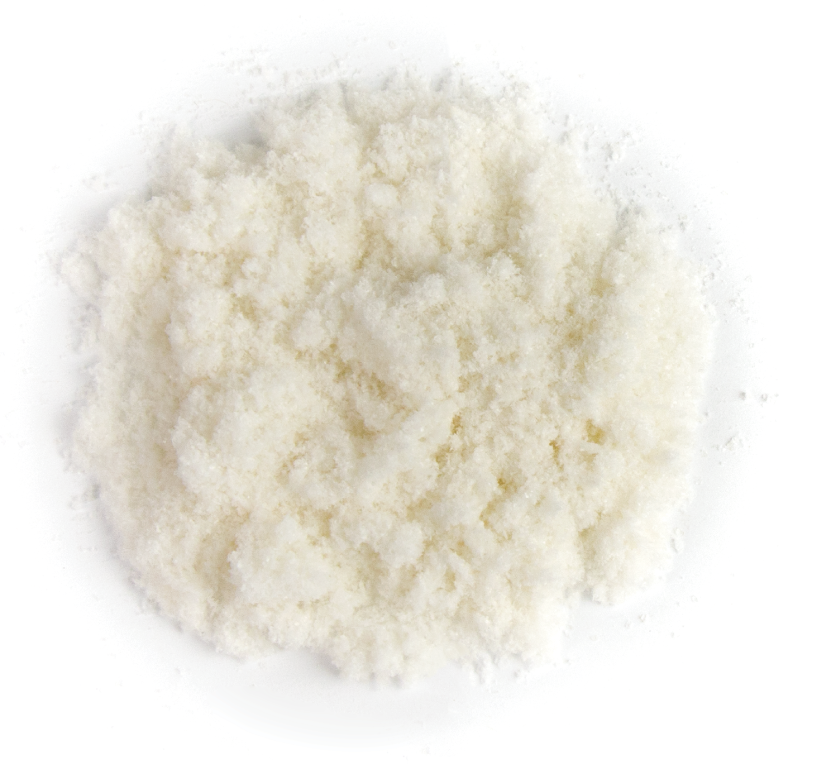
For wounds in areas of constant range of motion, or too awkward to reach with a sheet dressing. Can be moistened with wound cleanser if the wound is dry.
For minimal to heavy exudate, partial and full thickness wounds, and second-degree burns. Available in four sizes.

Silicone foam border providing absorption, protection, and comfort over the primary dressing.

Sterile wound wash to clean and flush the wound, plus a full supply of exam gloves and alcohol prep wipes.

Schedule a free consultation with our team and let’s make things happen.